
Blog
Exploring New Perspectives
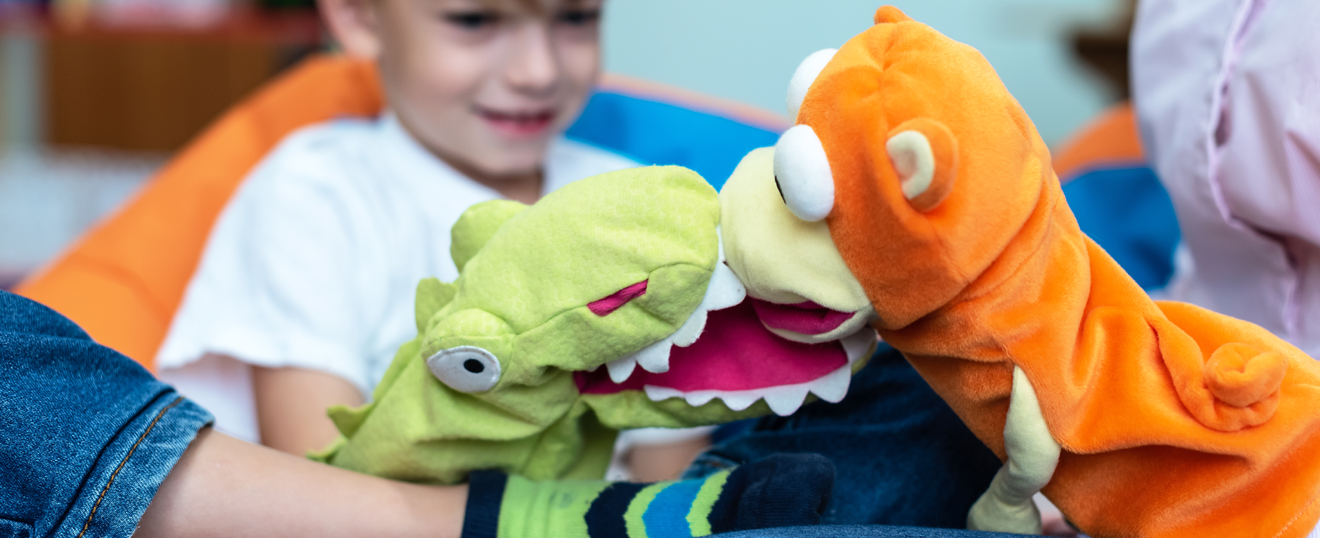
Building strong foundations for growth, confidence, and independence through specialized support.
Paediatric occupational therapy is a vital service for children who face challenges in their growth and development, whether due to physical, emotional, sensory, or cognitive difficulties. These challenges can often affect a child’s ability to participate fully in daily routines, such as dressing, eating, playing, or focusing in school. Occupational therapists work closely with families, schools, and other professionals to identify areas of difficulty and design practical solutions that are both supportive and achievable.
A thorough assessment is often the first step, where a therapist evaluates a child’s fine and gross motor skills, sensory processing, attention, coordination, and overall development. These assessments help uncover strengths as well as areas where extra support is needed. From there, individualized therapy plans are created, which often include engaging, play-based activities designed to build confidence and skills. For example, a child struggling with handwriting may practice strengthening exercises and fine motor activities, while a child with sensory sensitivities may work on developing coping strategies in a safe and structured environment.
Paediatric occupational therapy does not stop at the clinic; parents and teachers play a significant role in reinforcing progress. Therapists provide guidance, home programs, and classroom recommendations to ensure that what is learned in therapy sessions is carried over into real-life settings. Early intervention is especially powerful because the earlier challenges are identified, the sooner children can receive the support they need to thrive. By building strong foundations, occupational therapy empowers children to become more confident, independent, and capable of reaching their full potential.